Pilot Hole Size Chart
Match a wood or machine screw to the drill label you need: softwood pilot, hardwood pilot, clearance, or tap drill. Tables are for lookup — shopping stays on the screw-to-drill tool once you lock a result label.
Wood screw pilot and clearance
Softwood and hardwood pilots for modern straight-shank wood screws, plus a shank clearance label for the top board. Click Find → on a result label to open the tool with that bit size locked.
| Screw | Softwood pilot | Hardwood pilot | Clearance |
|---|---|---|---|
| #4 wood screw | 5/64" Find → | 3/32" Find → | 7/64" Find → |
| #5 wood screw | 5/64" Find → | 3/32" Find → | 1/8" Find → |
| #6 wood screw | 3/32" Find → | 7/64" Find → | 9/64" Find → |
| #7 wood screw | 3/32" Find → | 7/64" Find → | 5/32" Find → |
| #8 wood screw | 7/64" Find → | 1/8" Find → | 11/64" Find → |
| #9 wood screw | 1/8" Find → | 9/64" Find → | 3/16" Find → |
| #10 wood screw | 1/8" Find → | 9/64" Find → | 3/16" Find → |
| #12 wood screw | 9/64" Find → | 5/32" Find → | 7/32" Find → |
| #14 wood screw | 5/32" Find → | 11/64" Find → | 1/4" Find → |
Machine screw tap drill and clearance
Tap-drill labels aim near 75% thread depth for common UNC/UNF sizes. Clearance is a free-fit shop label for the unthreaded pass-through — not a structural design value. Number and letter gauges look up on the tool as display labels.
| Thread | Tap drill | Clearance |
|---|---|---|
| #4-40 machine screw | #43 Find → | #30 Find → |
| #6-32 machine screw | #36 Find → | #25 Find → |
| #8-32 machine screw | #29 Find → | #16 Find → |
| #10-24 machine screw | #25 Find → | #7 Find → |
| #10-32 machine screw | #21 Find → | #7 Find → |
| #12-24 machine screw | #16 Find → | #1 Find → |
| 1/4-20 machine screw | #7 Find → | F Find → |
| 1/4-28 machine screw | #3 Find → | F Find → |
| 5/16-18 machine screw | F Find → | P Find → |
| 3/8-16 machine screw | 5/16" Find → | W Find → |
Common pilots
Frequent fractional pilots from the wood table. Each chip opens the screw-to-drill tool — pick the matching row there to read the pilot, clearance and tap sizes.
Shopping list for pilot work
To use a pilot size from the tables above you typically need the items below — specs only, not a project tutorial. One main shop button covers the drill-bit set that includes common pilot fractions.
- Wood or machine screws — the gauge or thread you already chose (buy local or your preferred pack; we do not list a fake “best screw” brand).
- Pilot / clearance drill bit — the label from the table (for example 1/8" softwood pilot on a #8 wood screw). Prefer a set that includes that fraction.
- Optional: screw → drill size tool to re-check softwood vs hardwood and open a set for the locked label.
How to read this chart
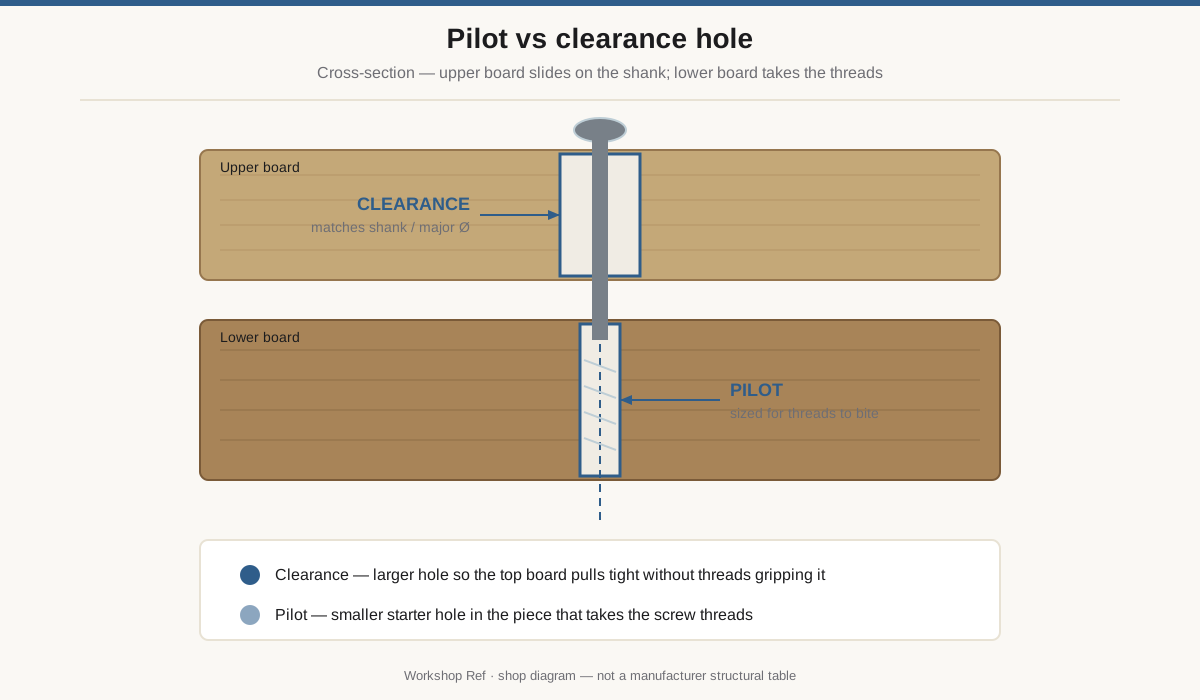
Start with the fastener you already have. Wood rows give three drill labels: a softwood pilot for pine, fir, and similar stock; a hardwood pilot one step larger for oak, maple, and dense plywood; and a clearance hole sized so the screw shank slides in the top piece while the threads bite only the lower piece. Drive without a pilot and softwood can split; skip clearance and the joint may not clamp tight.
Machine rows swap wood pilots for a tap drill and a free-fit clearance. The tap drill is the hole you make before cutting internal threads with a tap. Clearance here is the pass-through size for the major diameter — useful for bolted stacks, not a substitute for a fitted reamer or a manufacturer structural table. When a row shows a number or letter gauge (#29, F), treat it as a display label the tool can still open; fractional inch labels with the inch mark are the ones that map cleanly to common consumer drill sets.
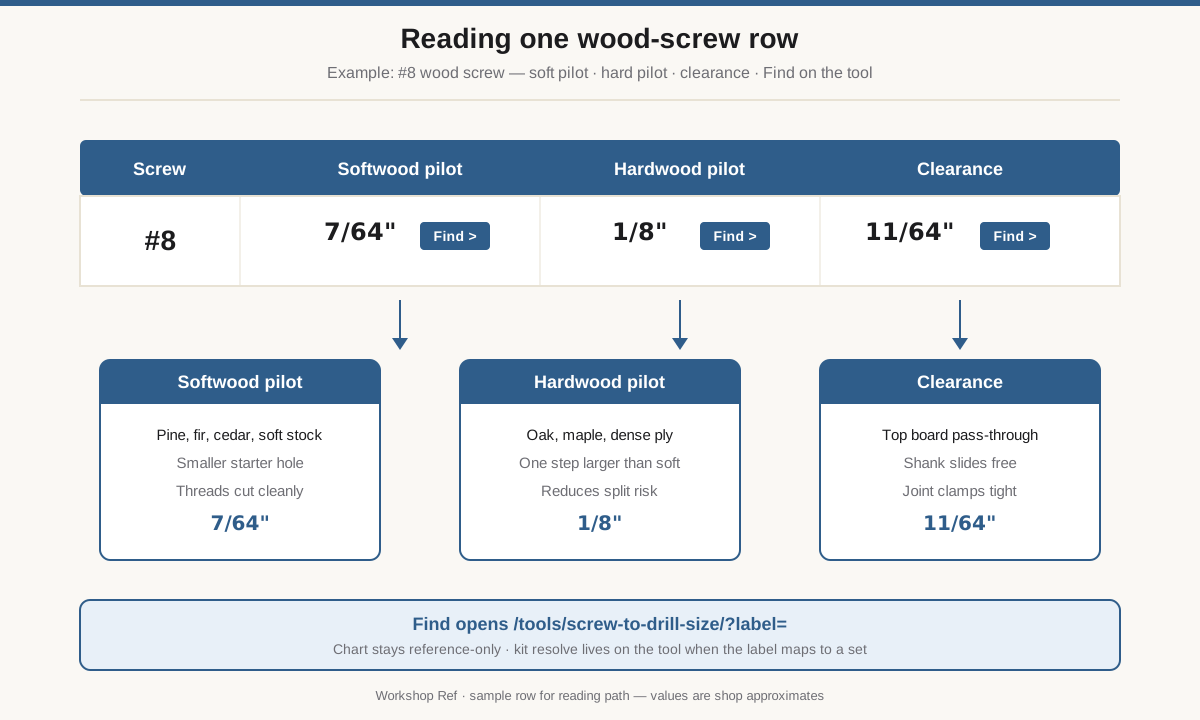
Use Find → on any result cell, or the primary Find your
size button, to open
screw → drill size
with ?label= set. The tool can still show a mapped set for a label. Below the
tables, one optional drill bit set covers common fractional pilots — not a per-row buy wall.
- Softwood / hardwood pilot — starter hole in the piece that takes the threads.
- Clearance — larger hole so the shank slides and the joint clamps.
- Tap drill — machine-screw hole before tapping internal threads.
- Find → — deep-links the result label into the tool.
Exceptions and shop notes
Some clearance fractions (for example 11/64" on #8 wood) and most number or letter gauges do not map to a buy chip on the tool — they still look up as labels. Self-tapping sheet-metal screws, lag screws, and deck screws often need the maker chart, not this straight-shank wood table. For critical structural connections, treat every cell as a shop approximate and confirm on the fastener manufacturer table.
FAQ
What is a pilot hole and why does size matter?
A pilot hole is a smaller hole drilled before you drive a screw so the wood does not split and the threads can cut a clean path. Softwood usually takes a smaller pilot than hardwood for the same screw gauge. Clearance holes are larger through the top piece so the screw shank slides and clamps the joint. Use this chart to read the labels, then open the screw-to-drill tool with that label to confirm the bit size.
Do softwood and hardwood need different pilot holes?
Yes for most modern straight-shank wood screws. Softwood fibers crush more easily, so the softwood pilot is often one step smaller than the hardwood pilot on the same row. If you only have one bit between the two sizes, favor the hardwood size in dense stock and the softwood size in pine or fir. Always confirm critical joints on the screw maker chart.
What is the difference between a pilot hole and a clearance hole?
The pilot is sized for the threaded portion so the screw bites. The clearance hole matches the unthreaded shank (or major diameter) of the screw so the top board pulls tight without the threads gripping it. On this chart, wood rows list soft pilot, hard pilot, and clearance. Machine-screw rows list tap drill and clearance instead of wood pilots.
What is a tap drill versus a pilot hole on machine screws?
Tap drill is the hole you drill before cutting internal threads with a tap in metal or hard plastic. Pilot hole usually means the wood-screw starter hole. Machine-screw rows on this page give a 75-percent-thread tap-drill label plus a free-fit clearance label. Wood rows never use a tap — they use soft and hard pilots.
How do I use this chart with the screw-to-drill size tool?
Open Find your size or click Find on a result label. The screw-to-drill tool loads with that drill label so you can see pilot, clearance, or tap values for the screw you chose. When the drill size is a common fractional step, the tool can show one drill-bit set that includes it. Number and letter sizes still look up; the set card notes when a consumer kit lid may not list that gauge.
Is this an official engineering or manufacturer chart?
No. It is a workshop reference built from published fastener and shop charts for common wood and machine screws. Values are approximate for DIY and light shop work, not a substitute for manufacturer structural tables or engineered connections. See the sources block and site disclaimer for limits of use.
Sources
Wood soft/hard pilots follow published shop charts for modern straight-shank screws (Power Tool Insider pilot chart cross-checked with MISUMI straight-bit columns). Shank clearance fractions follow Engineering Toolbox / Sizes, Inc. wood-screw hole tables. Machine tap drills follow Bolt Depot 75% thread tables cross-checked with standard drill and tap lists; free-fit clearance uses major-diameter shop practice. Dual-sourced in site data. This page is a workshop reference, not a certified engineering standard — see the site disclaimer.
Related
- Fasteners hub — pilot, clearance, and tap entry points.
- Screw → drill size tool — lock a label and (when mapped) one drill set.
- Tap drill finder — metric and inch taps in isolation.
- Drill bit size chart — fractional, metric, number, and letter diameters.